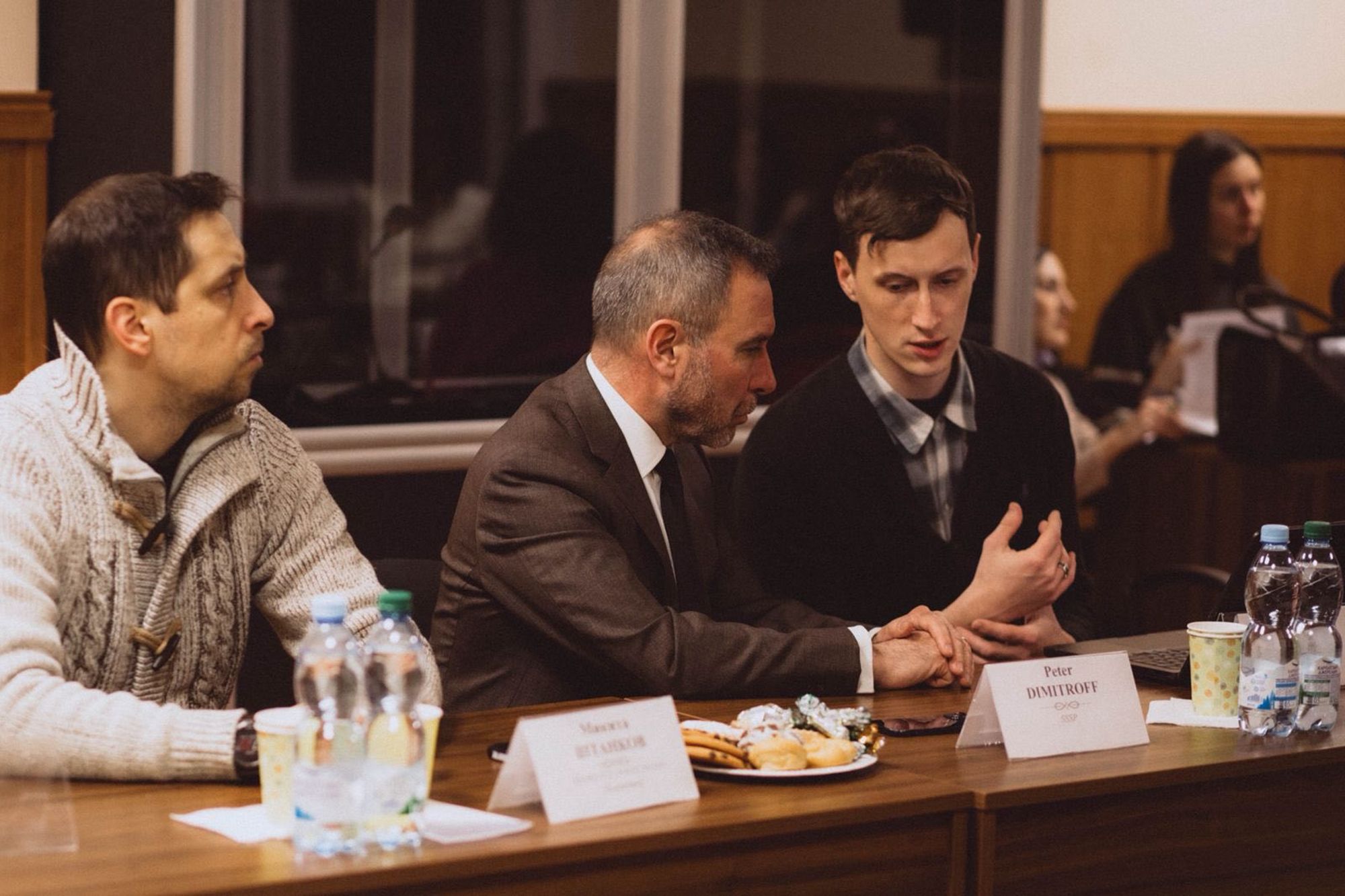

In January 2026, the Boryviter Military School trained 2,680 military personnel. A total of 326 individuals completed training in specialized areas, while another 2,354 received specialized psychological training and underwent adaptation prior to basic general military training. The main vector of capability development was the launch of a comprehensive training program for interceptor crews of "Shahed"-type UAVs.
The training of specialists according to technical and managerial algorithms yielded the following results:
- Study and implementation of experience (Lessons Learned) — 85 military personnel;
- Employment of multi-rotor UAVs and UGVs — 101;
- FPV drone operation and systems engineering — 42;
- Fundamentals of military communications and EW — 34;
- Interception of aerial targets (fixed-wing and FPV UAVs) — 21;
- Military command and planning — 20.
Within the framework of psychological support, 2,152 mobilized personnel underwent adaptation prior to basic general military training, and 202 military personnel were involved in specialized leadership training, intervision groups, and professional consultations.
The problem of regular attacks by enemy strike drones requires the systematic engagement of airborne targets. To address this task, Boryviter introduced a specialized tool — a training algorithm for interceptor crews. The training includes interception tactics, coordination with radar stations, work with specialized software, and combat cohesion. Result: The Defense Forces receive fully prepared crews capable of detecting, identifying, and predictably destroying aerial threats.
To expand institutional effectiveness, the Boryviter Center of Excellence initiated the development of cooperation mechanisms with the Office of the Military Ombudsman, which will enhance the capabilities of military personnel through the systematic protection of their rights. Additionally, with the financial support of partner Prom.ua, a practical video course has been developed. This contribution ensures the standardization of unmanned systems maintenance and the preparation of aircraft for engineers and pilots within the units.