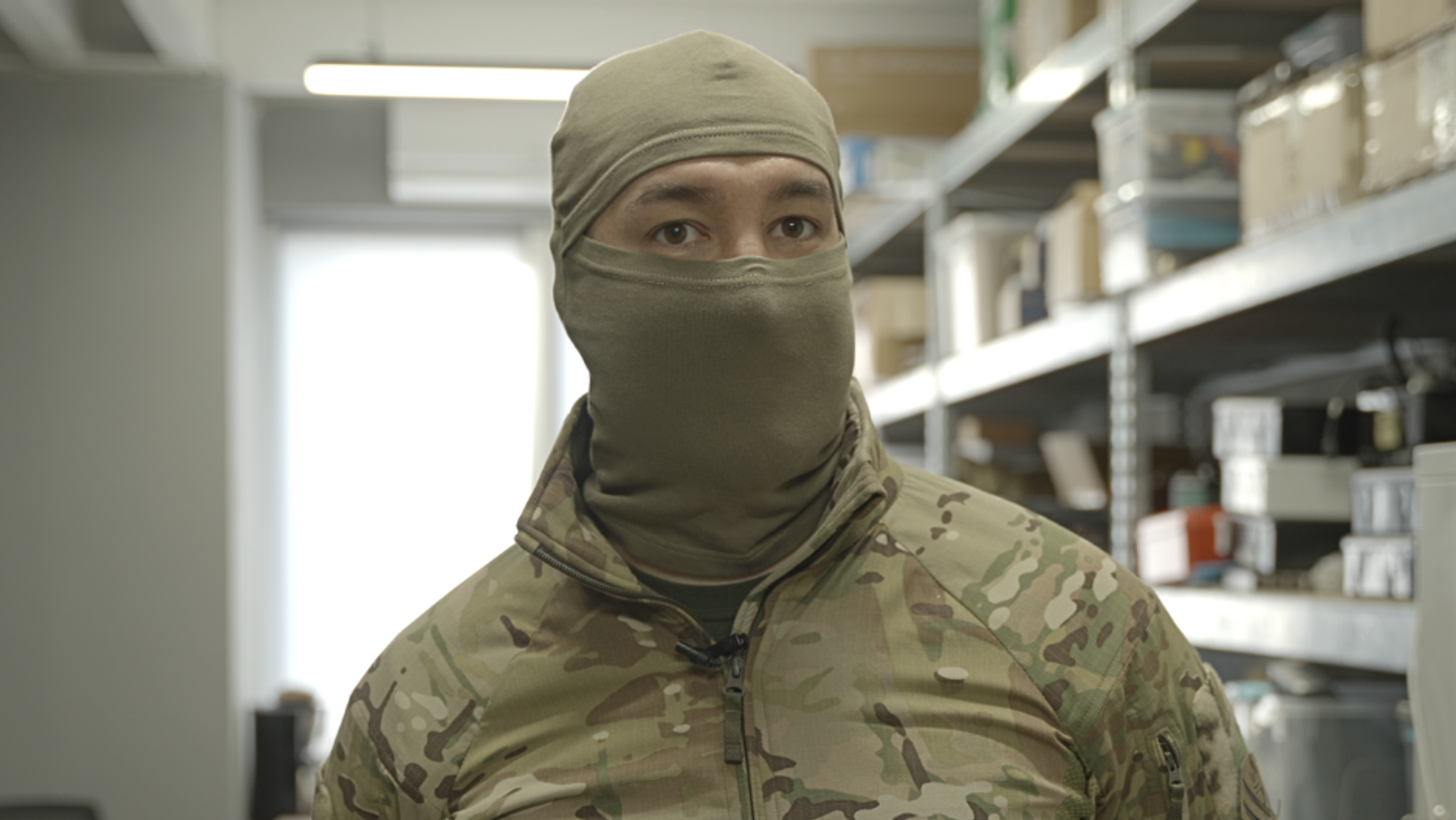

Proper organization of radio communications increases the effectiveness of unit command and control and minimizes the risks of friendly fire. The communications unit commander of the "Rubizh" Rapid Response Brigade of the National Guard of Ukraine, call sign "Pryzma," applies algorithms practiced during training at the Boryviter Military School to ensure covert troop command and control on the line of contact. A modern approach to communications makes it possible to move away from Soviet tactics and reduce the density of personnel in positions without losing control of the situation.
A critical problem on the frontline is the enemy's jamming of GPS signals and mobile networks. Under such conditions, the loss of spatial orientation by military personnel or the unauthorized movement of groups during rotations creates a threat of engaging friendly forces. To solve this issue, the tools for planning and configuring radio networks, mastered by specialists at Boryviter, are utilized. Advance programming of radios prior to departing for a mission, the establishment of identification codes, and strict radio discipline forge a resilient capability for the unit to operate autonomously.
The result of adhering to these standards is safe combat coordination and the preservation of personnel. Technical masking of communications reduces the enemy's awareness of force movements, while uninterrupted communication guarantees the safe approach of reserves, terrain orientation, and the precise execution of combat orders.