
 en
en Countering Hybrid Threats: Key Outcomes of the Boryviter Visit to Brussels
At the beginning of February, the team of the Boryviter Center of Excellence participated in a series of events in Brussels aimed at strengthening cooperation with European partners, EU institutions, and NATO.
The visit became an important milestone in the development of the Center’s international track. It focused on sharing Ukraine’s practical experience in countering modern security challenges and building partnerships for joint work on new approaches to security in Europe.
Conference “Countering the Hybrid Threats from Drones: Lessons to be Learned”
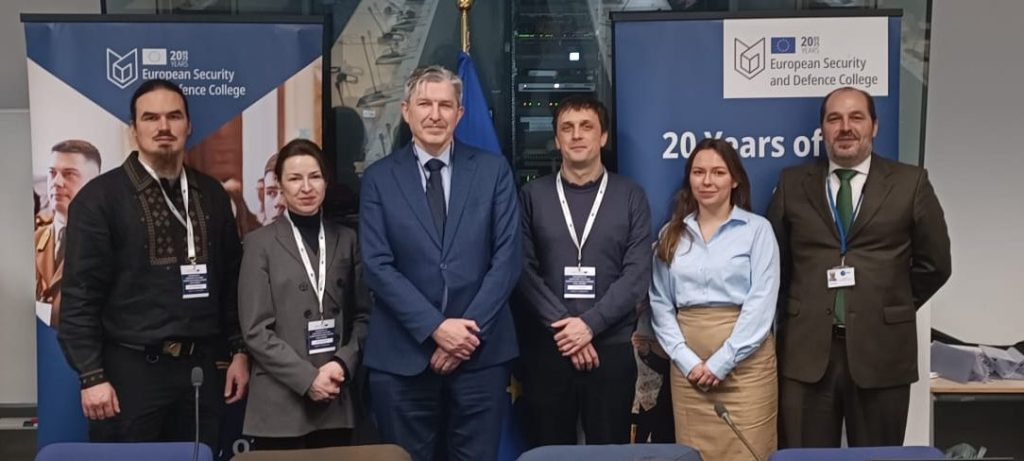
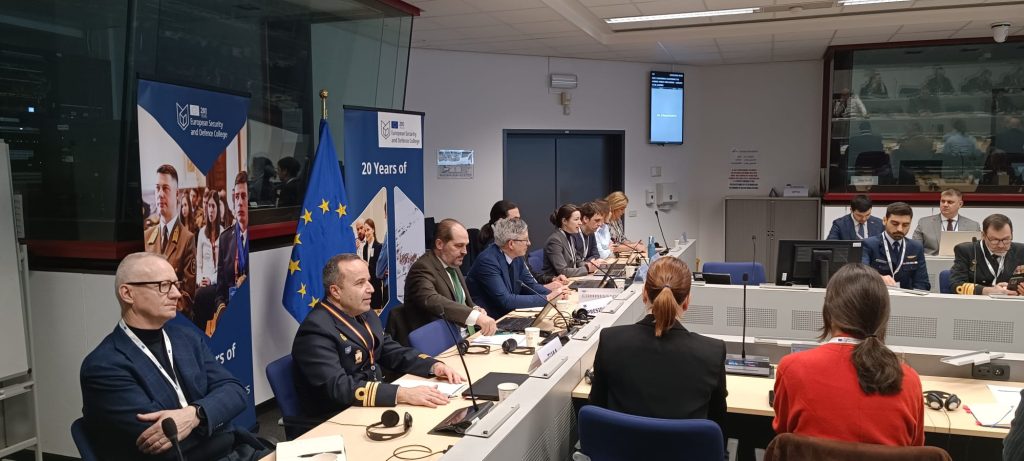
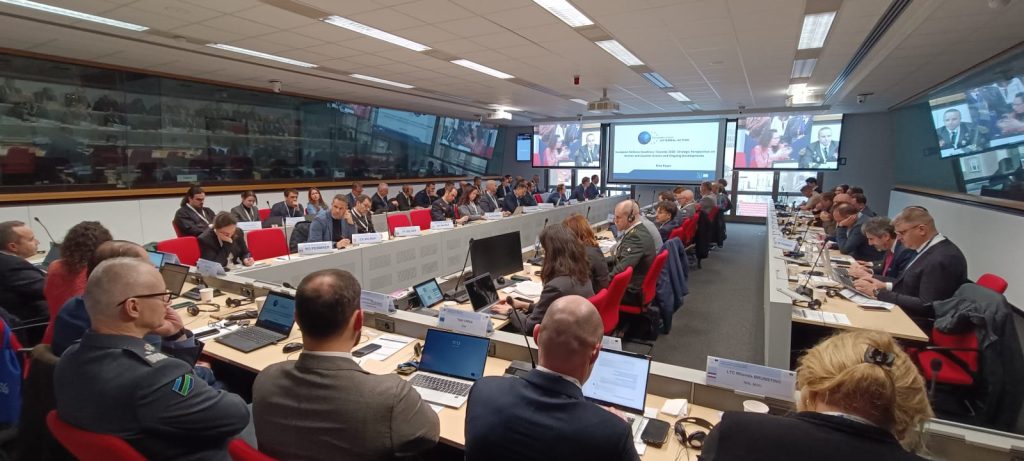
One of the key elements of the visit was participation in the conference organized by the European Security and Defence College (ESDC). The event brought together representatives from strategic and operational levels of the civilian and military sectors of European Union countries.
The conference aimed to deepen the understanding of strategies for the use of unmanned systems and the development of approaches to counter them. Particular attention was given to Ukraine’s experience in confronting new types of threats that extend beyond purely military operations and increasingly target civilian facilities and critical infrastructure.
In this context, the whole-of-society approach is gaining increasing relevance. This approach involves coordination between the military, government institutions, the private sector, and civil society.
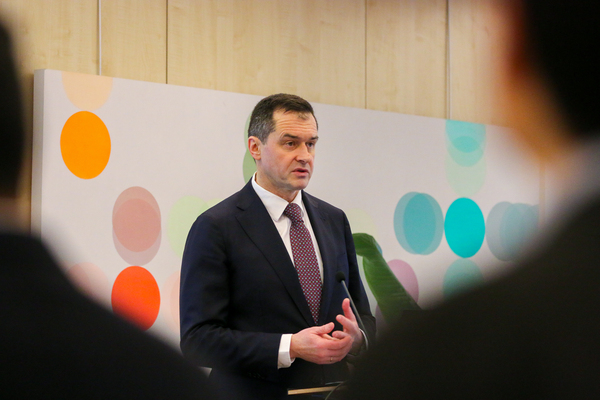
Illya Kukharenko, Technical Director of the Boryviter Center of Excellence, presented an analysis of hybrid threats and incidents related to air targets entering the airspace of EU countries. During the discussion, participants examined the risks drones pose to critical infrastructure such as airports, power plants, and military bases.
“For an effective response to hybrid attacks, technical solutions alone are not enough. The key factor is the development of clear standard operating procedures that ensure coordinated interaction between all involved institutions. We presented our vision for developing such capabilities that allow acting proactively,” said Illya Kukharenko.
Ukraine’s experience gained in real wartime conditions attracted significant interest from international participants. It helps partners better understand the dynamics of modern hybrid threats and adapt their security systems to new realities.
Meeting at the Mission of Norway to the European Union
Another important part of the visit was a meeting at the Mission of Norway to the European Union. The event was opened by the Ambassador of Ukraine and the Ambassador of Norway to the EU.
Norway has declared 2026 the Year of Total Defence, reflecting a broader European trend of rethinking national security approaches and strengthening readiness for hybrid threats.
Ukraine’s experience demonstrates that the line between a hybrid attack and a full-scale war can be crossed very quickly. What for many European countries still appears to be a potential or theoretical risk has already become a daily reality for Ukraine.
During the meeting, the Boryviter Center of Excellence presented its activities and emphasized Ukraine’s role in shaping new security expertise that can be valuable for European partners.
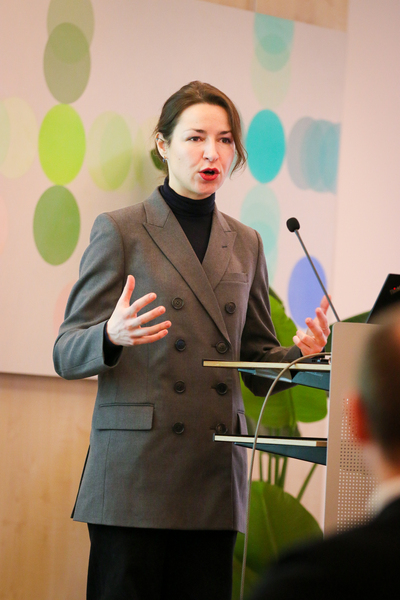
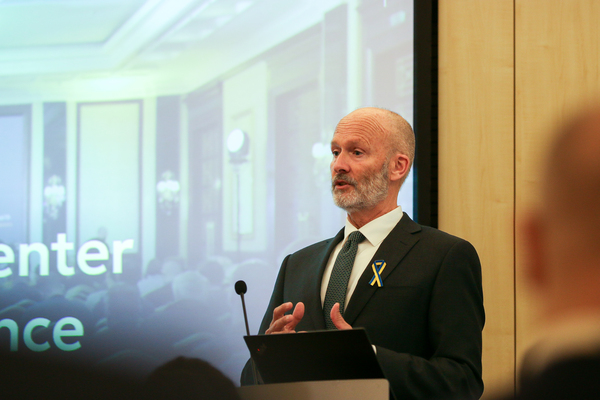
“Today Europe is facing new hybrid threats, including the use of drones. Technologies in warfare evolve faster than states are able to adapt. This is why cooperation with Ukraine is particularly important today. We believe that Ukraine’s experience of coordination between the state, the military, and civil society can become an important element in strengthening the European security system,” said Tetiana Ostra, co-founder of the Boryviter Center of Excellence.
The meeting also opened prospects for further cooperation in experience exchange, educational programs, and joint initiatives within the development of total defence approaches.
NATO Headquarters
The final stage of the trip was a visit to NATO Headquarters and a meeting with representatives of the Defence Education Enhancement Programme (DEEP).
During the meeting, the Boryviter team presented its work on training command staff and headquarters at battalion and brigade levels within the Armed Forces of Ukraine. Special attention was given to opportunities for further cooperation with the DEEP programme. Such cooperation may contribute to deeper integration of Ukrainian military education with the Alliance’s educational standards, while also strengthening those standards through practical experience gained in modern warfare.
In this context, Ukrainian educational and training capabilities can become an important contribution to the development of new approaches to military leadership training in NATO partner countries.
The series of meetings and events in Brussels marked an important step in the development of international partnerships of the Boryviter Center of Excellence.
Ukraine’s experience in countering hybrid threats, gained in real wartime conditions, is becoming increasingly relevant for the entire European security community. For this reason, knowledge exchange, the development of joint educational programs, and the formation of new security approaches are becoming key areas of cooperation.


