
 en
en Results of Work in February
February marked a period of intensive activity for the Military School “Boryviter”, combining internal development with active international engagement.
As part of its international track, the School’s representatives took part in a series of high-level events in Brussels aimed at strengthening cooperation with EU and NATO institutions and aligning efforts to enhance defence capabilities.
At the same time, the team continued to advance key internal initiatives. Together with partners, the School contributed to a partner-led fundraising campaign supporting the “Military Communications and Electronic Warfare” training programme, participated in UGV (Unmanned Ground Vehicles) competitions, and joined an online discussion marking the fourth anniversary of the full-scale invasion of Ukraine.
In February, a total of 438 military personnel completed professional training across the School’s core specialisations. In parallel, 2,291 servicemen received psychological support and adaptation services ahead of their Basic Military Training (BMT).
Training Specialisations
In February, training was delivered across the following areas:
- Command and Control & Leadership – 47 cadets
- Multirotor FPV UAVs – 30 cadets
- Technical Engineer (FPV) – 12 cadets
- Fixed-Wing UAVs: Air Target Interception – 6 cadets
- Multirotor FPV UAVs for Air Target Interception – 3 cadets
- COTS Multirotor UAVs for Military Use – 114 cadets
- Basics of Military Communications – 27 cadets
- Unmanned Ground Vehicles (UGV) – 74 cadets
- Lessons Learned – 88 cadets
Psychological Training and Support
- 108 servicemen participated in intervision groups
- 34 servicemen received individual consultations
- 38 servicemen completed practical psychology training
- 24 servicemen completed leadership and basic psychology training
- 2,087 mobilised servicemen underwent psychological adaptation prior to BMT
Key Events in February
Participation in the “Countering the Hybrid Threats from Drones: Lessons to be Learned” Conference
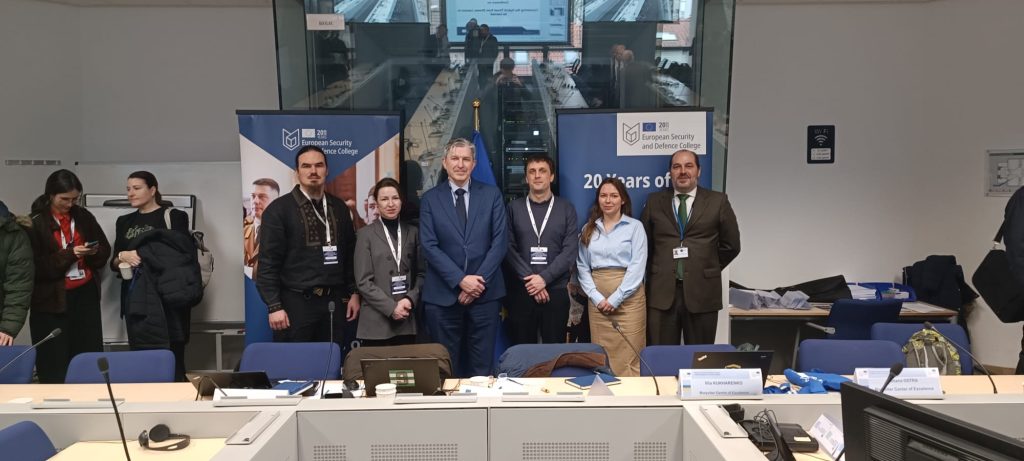
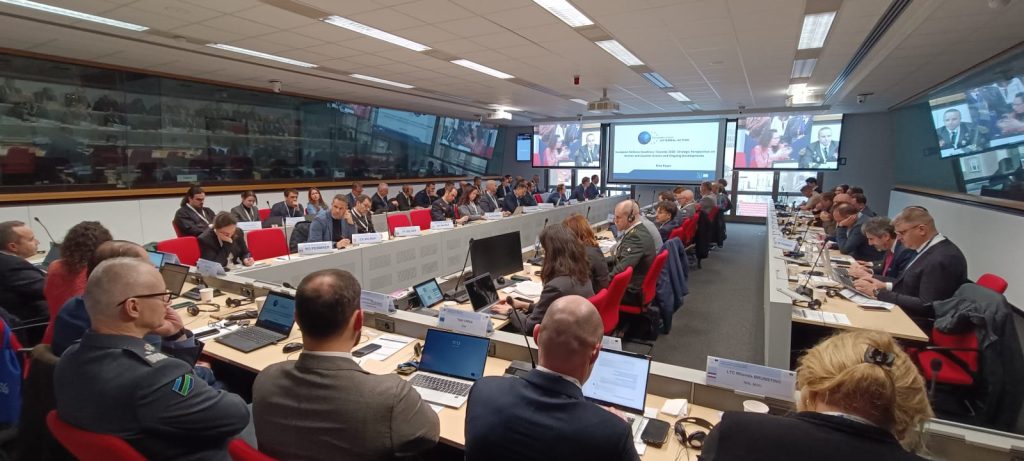
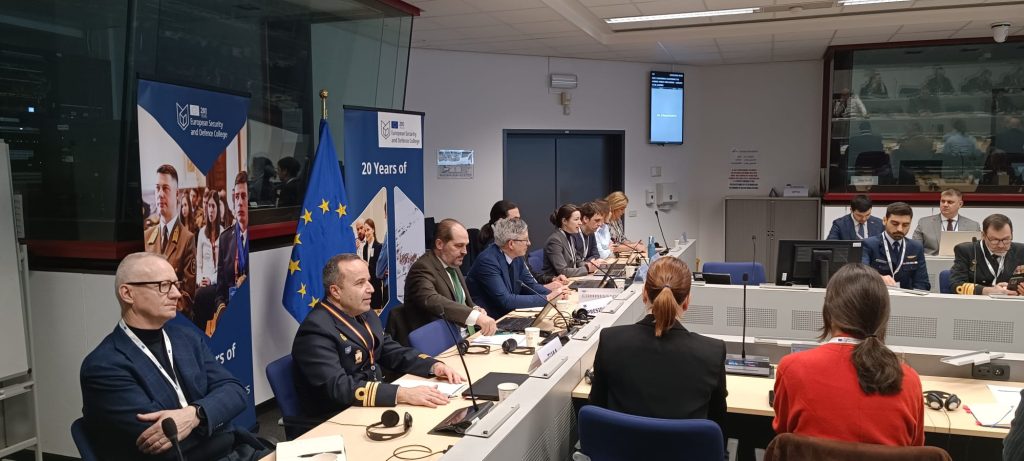
A key part of the visit to Brussels in early February was participation in a conference organized by the European Security and Defence College (ESDC). The event was attended by representatives of the strategic and operational levels of the civil and military sectors of European Union countries.
The goal was to deepen the understanding of strategies for using unmanned systems and developing counter-drone approaches. Special attention was paid to Ukraine’s experience in countering new types of threats that extend beyond the purely military sphere.
More details via the link.
Meeting with the Norwegian Representation
An important stage of the Brussels visit was a meeting at the Mission of Norway to the EU with the participation of ambassadors from both states. Norway announced 2026 as the year of Total Defence amidst rising hybrid threats in Europe.
During the event, the Boryviter Centre of Excellence was presented, emphasizing a readiness to share unique security expertise with European partners.
“Today, Europe faces new hybrid threats, including the use of drones. Technologies in warfare evolve faster than states can adapt. This is why cooperation with Ukraine is of particular importance,” noted Tetiana Ostra, co-founder of the Boryviter Centre of Excellence.
Visit to NATO Headquarters
The trip to Brussels concluded with a visit to NATO Headquarters and a meeting with representatives of the Defence Education Enhancement Programme (DEEP). The Boryviter team presented their experience in training commanders and staff at the battalion and brigade levels. The main topic of discussion was the integration of Ukrainian military education with Alliance standards.
Interaction with DEEP strengthens NATO programmes through the practical experience of modern warfare. Ukrainian training capabilities are a valuable contribution to the development of military leadership in partner countries.
The meetings in Brussels were a strategic step toward developing Boryviter’s international partnership and exchanging unique expertise in the field of defence. We thank our partners for their high productivity and joint work on new approaches to strengthening the security architecture.
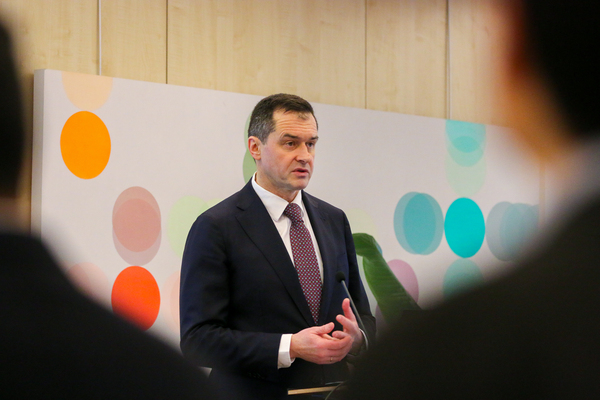
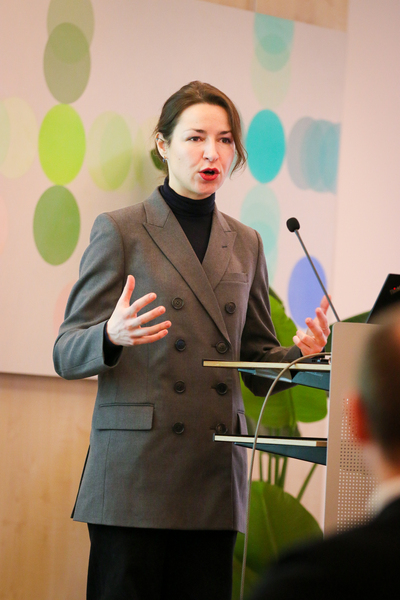
Participation in a discussion at the European Policy Centre dedicated to the fourth anniversary of the Full-scale war
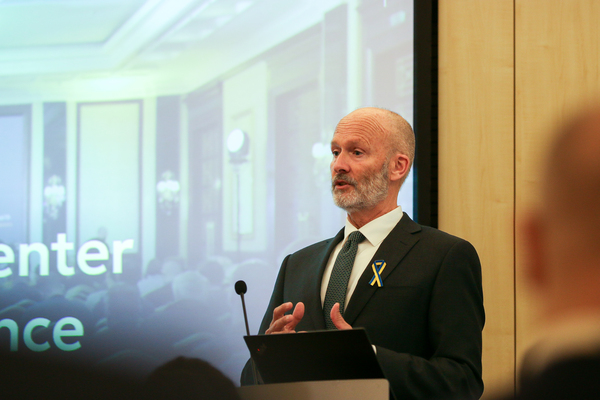
Tetiana Ostra, co-founder of the Boryviter Centre of Excellence, joined an online discussion by the European Policy Centre dedicated to the fourth anniversary of the full-scale invasion. The discussion focused on the transformation of the modern warfare paradigm and the resilience of the Ukrainian defence sector despite constant attacks on infrastructure.
The discussion brought together EU representatives, diplomats, and leading experts, including the Representative of Ukraine to the EU Vsevolod Chentsov, Cyprus Deputy Minister for European Affairs Marilena Raouna, and Ireland’s Minister of State for European Affairs and Defence Thomas Byrne. Despite political obstacles within the EU regarding new aid packages, participants focused on finding effective financing mechanisms. As an official representative of the European Security and Defence College in Ukraine, Boryviter continues to integrate Ukrainian combat experience into the European security context.
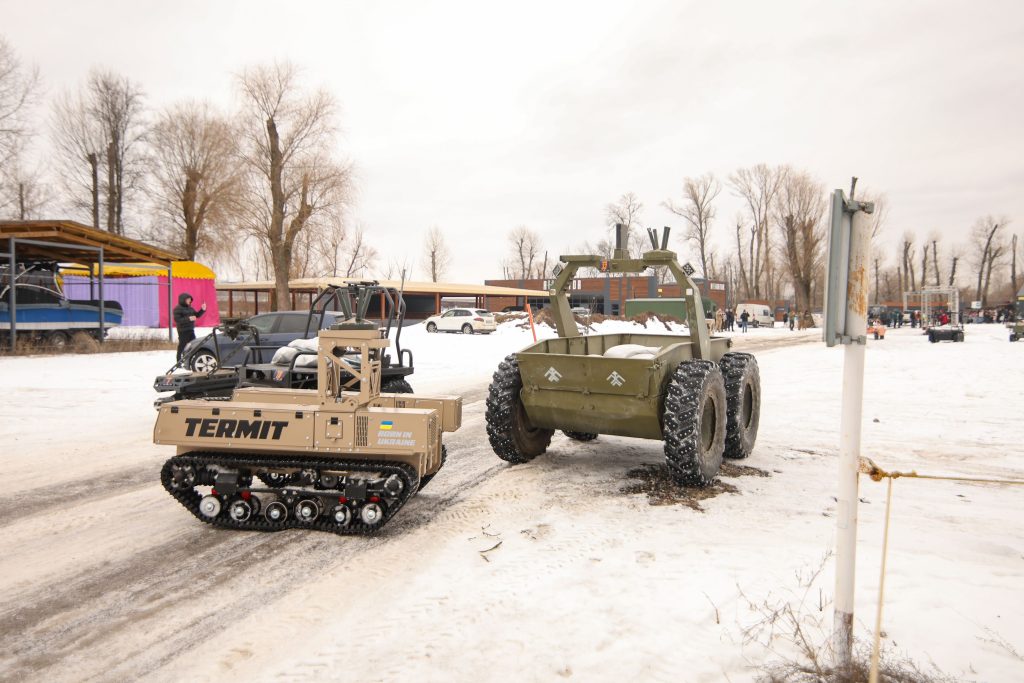
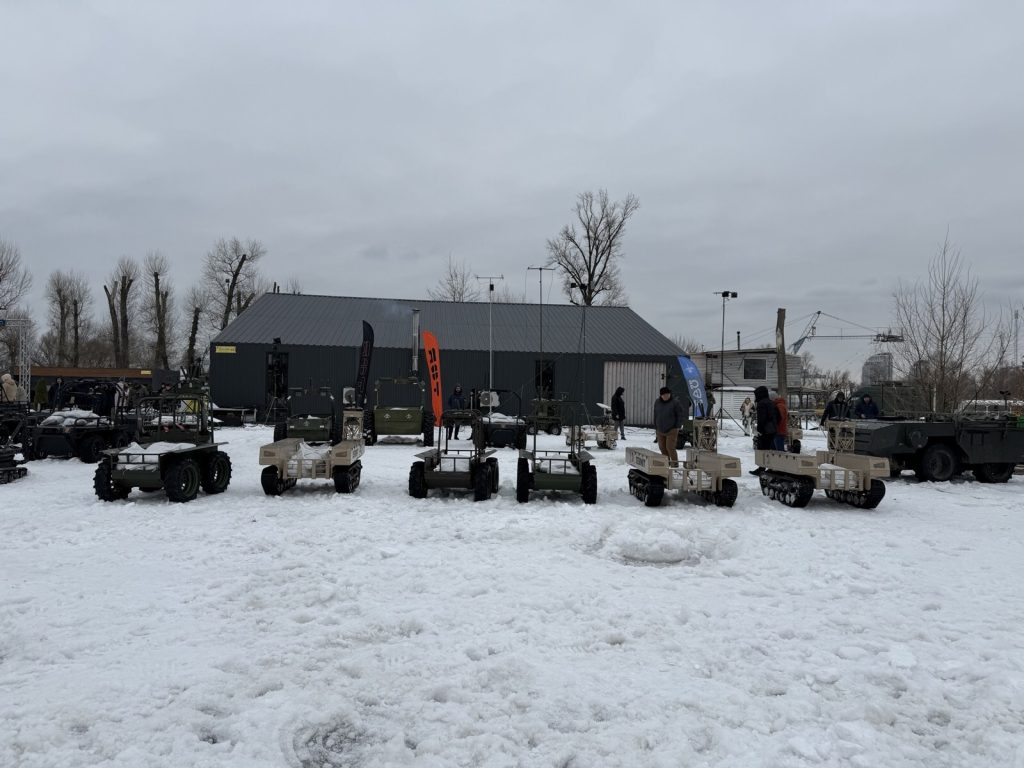
The Boryviter team joined the UGV competition
On 26 February, Boryviter instructors, together with the “Kill House” school, participated in the Kyiv Open Cup for Unmanned Ground Vehicles (UGV) missions. Our team was among the leaders of 34 crews, winning a number of awards in the competition. This success was made possible by the high qualifications of the instructing staff of the “Use of Unmanned Ground Vehicles” programme.
This training programme was launched jointly with the 3rd Army Corps in March 2025. The course programme focuses on building real combat skills: from operating platforms in extreme conditions to coordinating crew work with other units. Those interested have the opportunity to register for the course via the link.
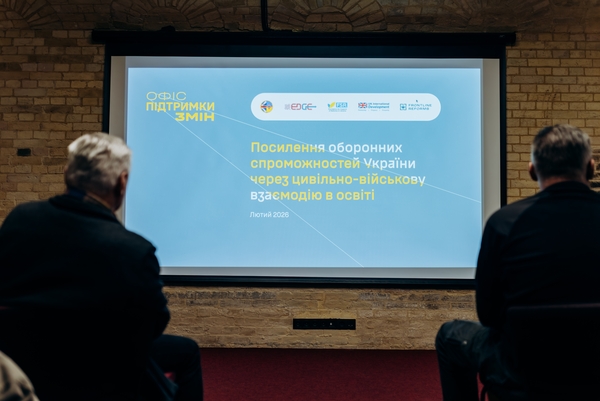
Participation in the presentation of the study “Strengthening Ukraine’s Defence Capabilities through Civil-Military Interaction in Education”
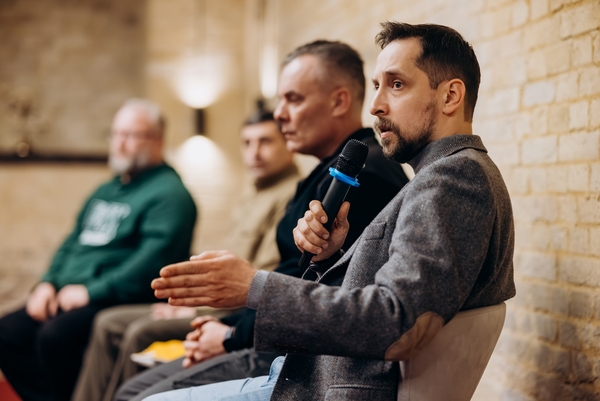
On 27 February, Mykyta Shtankov, Project Director of the Boryviter Centre of Excellence, joined a panel discussion featuring representatives of the Ministry of Defence of Ukraine, the Ground Forces Command of the AFU, and the UCU Leadership Center. The dialogue regarding the role of civil initiatives in filling critical gaps in military training was moderated by the head of Frontline Reforms, Viktoriia Dvoretska.
Among other things, Mykyta Shtankov emphasized the importance of cybersecurity, the development of military leadership, as well as the adaptation of training to modern technological challenges, particularly in the field of unmanned systems and unmanned ground vehicles: “Technologies are evolving and becoming increasingly complex. The military repairs and fine-tunes equipment, so the need for specialized engineering training is urgent and will only grow”.
Joined the “Bigozbir. Spring 2026” project by Run Ukraine
Boryviter Military School has joined the “Bigozbir (FundRun). Spring 2026” project by Run Ukraine. For every kilometre run by participants, Work.ua converts 10 hryvnias into a donation. You can join the initiative by registering on the website or in the Run Ukraine app.
The goal of the project is to purchase Motorola equipment for the “Military Communications and Electronic Warfare” training direction. Technical reinforcement will allow for the annual training of over 700 communications specialists at Boryviter. Participants can join the initiative by registering via the link or the Run Ukraine mobile application.
Our Partners
We sincerely thank our friends and permanent partners who make our work possible: Serhiy Prytula Charity Foundation, ZMIN Foundation, Astarta-Kyiv, Ukrnafta, Prom.ua, Escobar Coffee Roasters, Yappi Corporate, Fedir Shpyg Foundation, Retail Association of Ukraine, Ecocap Group, SVARGA, IAROS, Vyriy Drone, Concert.ua, UZSPACE, MIM Business School, SOVA, EVA.


